Roofing & General Contracting Blog

What Texas Homeowners Need to Know Before Trusting The Carrier When a storm hits North Texas, one of the first steps is having your roof inspected by a qualified, honest roofing company. If there is legitimate damage, the next step is to file an insurance claim and wait for the adjuster to inspect your roof. But here’s something most homeowners don’t realize: Not all insurance adjusters approach your claim the same way. And that difference can determine whether your roof gets properly approved for replacement… or wrongfully denied. ________________________________________ The Truth: Some Adjusters Truly Want to Help There are plenty of adjusters out there who: • Take the time to thoroughly inspect your roof • Understand storm damage patterns (hail, wind, uplift, granule loss) • Follow policy guidelines fairly • Communicate clearly with homeowners These adjusters are professionals who aim to do their job correctly and help you restore your home after a loss. When you get one of these adjusters, the process is usually smooth and fair because they are calling it like they see it and being honest. ________________________________________ The Problem: Others Downplay or Miss Obvious Damage We often see situations where: • Clear hail damage is denied • The Damage is labeled as “wear and tear” when it’s storm-related • Minimal repairs are written when a full replacement is probably justified In these cases, homeowners are left frustrated and often stuck with a roof that should have been approved the first time. ________________________________________ A Growing Trend: Third-Party “Picture Takers” 👉 Insurance companies are increasingly sending out third-party inspectors whose job is only to take photos — not make coverage decisions. These individuals often: • Are not licensed adjusters • Don’t explain what they’re documenting very well • Don’t advocate for the homeowner • Simply upload photos for someone else to review (who never saw your roof) This creates a major disconnect. A decision about your roof is being made by someone who: • Wasn’t on-site • Is relying on photos that should never be used as the sole indicator (by the way, these are photos that homeowner’s often never see!) • Didn’t experience the condition of your roof first-hand ________________________________________ Here’s what we’ve experienced firsthand: In the last 3 years, we’ve seen more claims denied and pushed into appraisal than in the previous 14 years combined. That’s not a coincidence. What is appraisal? Appraisal is a formal dispute process where: • You hire your own appraiser • The insurance company hires their own appraiser • A third-party umpire may be involved if the two appraisers are unable to agree on the scope of work and price. 👉 The problem: This process costs the homeowner more money out of pocket — just to get coverage for damage that should have been approved on the first visit. ________________________________________ Why This Matters for You as a Homeowner If you trust the first inspection blindly, you could: • Miss out on a legitimate roof replacement • Pay out of pocket for storm damage • Delay necessary repairs (which can occasionally lead to further damage) ________________________________________ What You Should Do Instead 1. Have a Roofing Professional Present A knowledgeable contractor can: • Identify real storm damage • Ensure all slopes are inspected • Communicate professionally with the adjuster ________________________________________ 2. Don’t Accept a Denial Without a Second Look If your claim is denied: • Get a second opinion • Have the roof re-inspected by the carrier with a contractor present • Ask for documentation and photos ________________________________________ 3. Work With Someone Who Understands The Process Not all contractors are created equally either. You want someone who: • Has experience with storm damage documentation & understands their processes • Will be honest with you about the condition of your roof & willing to document the damage ________________________________________ Final Thoughts Insurance is meant to help us when needed — not create unnecessary hurdles and add unwanted stress. While many adjusters are honest professionals doing their job well, the reality is: The outcome of your claim can depend heavily on who shows up to inspect your roof… or who reviews it behind a computer screen. That’s why having the right team on your side makes all the difference. ________________________________________ Need a Second Opinion? If you’ve recently had a claim denied or just want to make sure your roof was properly inspected, we’re here to help. At Super Roofman, we’ve spent over 17 years helping homeowners across DFW navigate storm damage the right way — with honesty, professionalism, and attention to detail. 📞 Contact us today for a no-pressure roof inspection.
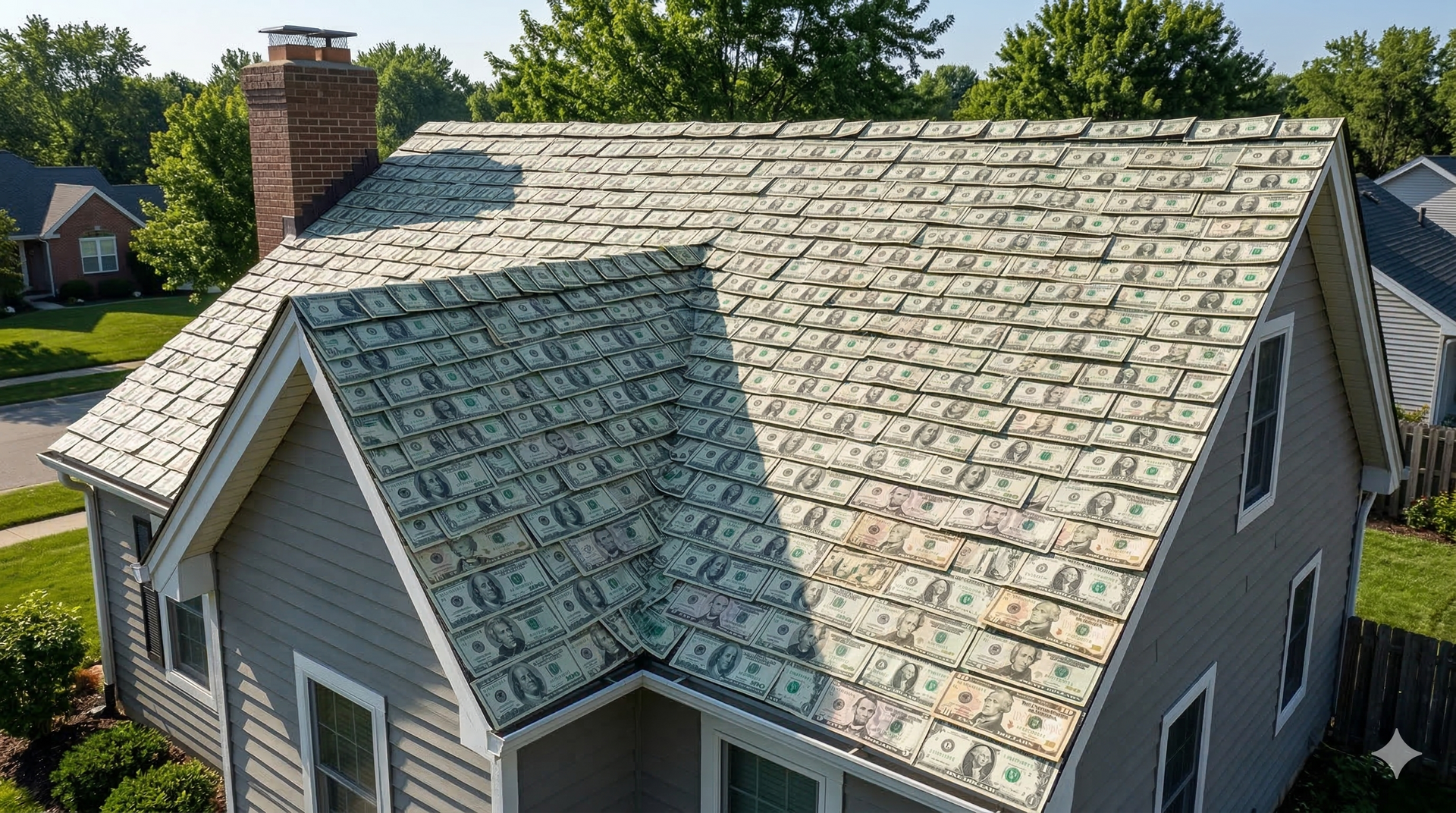
One of the most common questions homeowners ask when considering a roof replacement is: “How much is a new roof in Texas?” The honest answer is that roof replacement costs can vary depending on several factors, including the size of the roof, the materials used, the complexity of the installation, and the condition of the existing roof. However, understanding the typical price ranges and what influences the cost can help homeowners plan and make informed decisions. ________________________________________ Average Cost of a New Roof in Texas For most homes in Texas, a full roof replacement typically ranges between: $8,000 and $25,000 The most common roofing material used in Texas is asphalt shingles , and the average price for asphalt shingle roof replacements often falls within this range depending on the size and design of the home. For example: A Small home (1,200–1,500 sq ft) $8,000 – $12,000 A Medium home (1,800–2,500 sq ft) $12,000 – $18,000 A Larger home (3,000+ sq ft) $18,000 – $25,000+ These numbers are general estimates and can vary depending on the roofing system selected. ________________________________________ Factors That Affect the Cost of a New Roof 1. Roof Size The square footage of the roof is the biggest factor in determining cost. Roofing is typically priced per “square,” which equals 100 square feet of roofing area. Larger roofs require more materials and more labor, which increases the total cost. ________________________________________ 2. Roof Complexity Roofs with more features require more labor and materials. Factors that increase complexity include: • Multiple roof levels • Steep roof pitches • Multiple layers to be removed • Chimney repairs, skylights, and flashing needs More complex roofs take longer to install and may require more prep work. ________________________________________ 3. Roofing Materials The type of material you choose can significantly impact the total price. Common roofing materials in Texas include: Architectural (Dimensional) Asphalt Shingles • Most popular choice • Better durability and appearance Premium or Impact-Resistant Shingles • Designed for hail resistance • Higher upfront cost but may qualify for insurance discounts Standing Seam Metal or Stone-Coated Steel • Highest Rated for Hail & Wind Resistance • Will last longer than any asphalt shingle Architectural shingles are the most commonly installed roofing material in Texas because they balance durability, appearance, and value, but do not last as long as stone-coated steel or metal roofs. ________________________________________ 4. Roof Deck Repairs After the old roof is removed, the roofing contractor will inspect the roof decking (the wood underneath the shingles and felt). If damaged or rotten decking is found, it will need to be replaced before the new roof can be correctly installed. Decking repairs can add to the total cost but are essential for ensuring the roof performs properly, and unfortunately many roofing companies leave the old felt and never actually see the condition of the roof decking. ________________________________________ 5. Ventilation Improvements Proper attic ventilation is important for roof longevity and energy efficiency. Some homes require upgrades such as: • Additional roof vents • Intake ventilation improvements These upgrades can slightly increase the project cost but help improve proper airflow through the attic and also help to prevent future problems. ________________________________________ How Long Does a Roof Replacement Take? Most residential roof replacements in Texas are completed in one day. Larger or more complex homes may take two days, but experienced roofing crews are typically able to complete projects quickly while maintaining quality installation standards. ____________________ ____________________ Choosing the Right Roofing Contractor Matters While cost is an important factor, homeowners should also focus on quality, experience, and reputation when selecting a roofing contractor. A properly installed roof (in Texas) will last 12–20 years, while a poorly installed roof can cause problems much sooner. Working with an experienced local roofing contractor ensures: • Proper installation • High-quality materials • Reliable warranty protection • Professional project management ________________________________________ Final Thoughts The cost of a new roof in Texas can vary widely depending on the size of the home, the materials chosen, and the complexity of the roof. For most homeowners, the typical investment ranges between $8,000 and $25,000 for an asphalt shingle roof replacement. The best way to determine the exact cost for your home is to have a professional roof inspection and detailed estimate completed by a reputable local roofing contractor. A well-installed roof protects your home, improves curb appeal, and provides peace of mind for years to come.
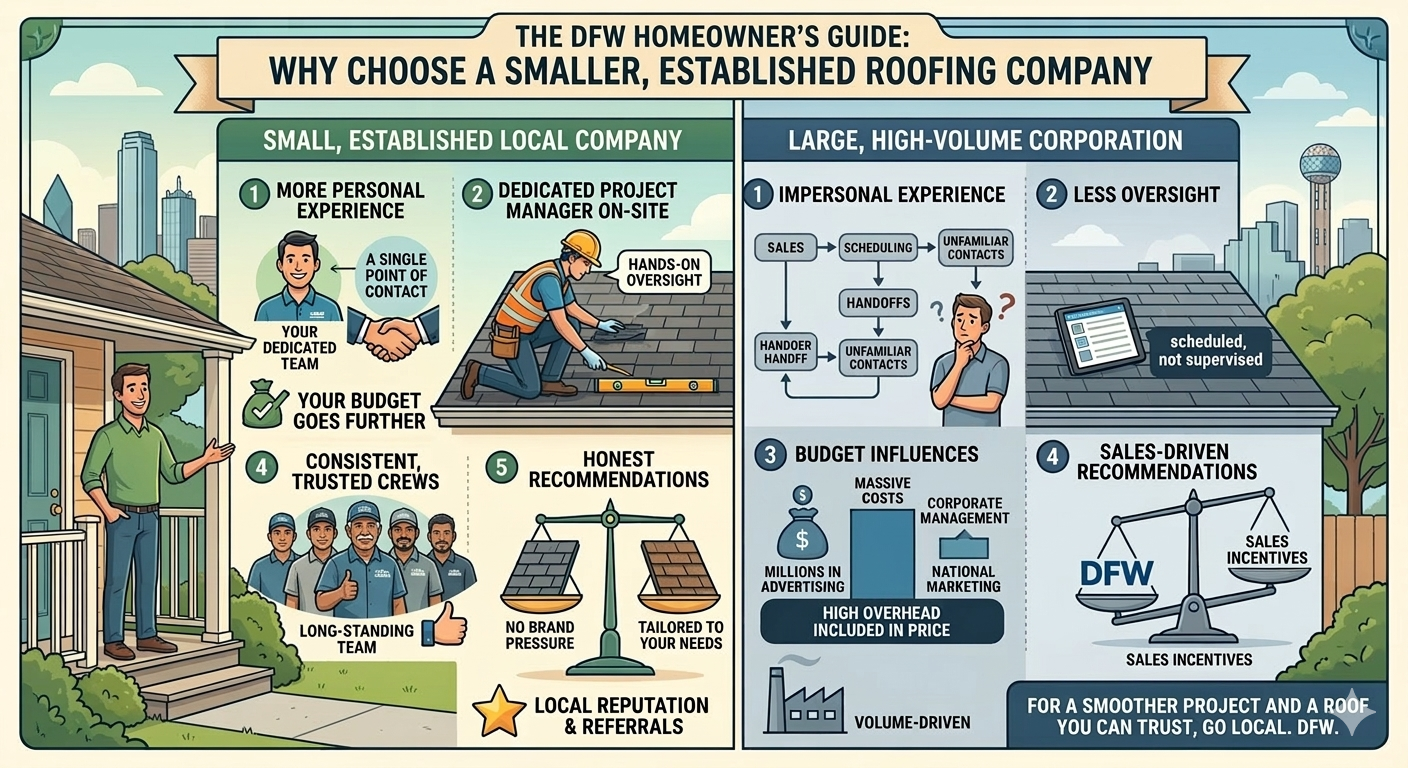
Why DFW Homeowners Often Benefit from Hiring a Smaller, Established Roofing Company When it’s time to replace your roof, homeowners in the Dallas–Fort Worth area are often faced with a choice: hire a large, high-volume roofing company or work with a smaller, well-established local contractor. While large companies can seem appealing because of their size and marketing presence, many homeowners are surprised to learn that smaller roofing companies often provide a better overall experience, better value, and more personalized service. Here are a few key reasons why many DFW homeowners choose to work with a smaller, established roofing company. ________________________________________ A More Personal Experience One of the biggest advantages of working with a smaller roofing company is the personal level of attention you receive throughout the project. Large companies often operate like assembly lines. Sales representatives sign contracts, projects are handed off to scheduling departments, and homeowners may never see the same person twice. With a smaller company, the experience is much more personal. You typically work with the same team from start to finish , and communication is direct and clear. Questions get answered quickly, and concerns are addressed by people who are personally invested in the outcome of the project. For many homeowners, this level of communication and accessibility provides peace of mind during a major home improvement project. ________________________________________ A Dedicated Project Manager On-Site Roof replacement is not just about installing shingles—it involves multiple steps that all need to be done correctly. These stages include: • Protecting landscaping and property • Removing the old roof • Inspecting the decking • Installing underlayment and ventilation • Proper shingle installation • Final cleanup and inspection (exterior and attic) Smaller companies often assign a project manager who is physically present on the job site and checking each phase of the installation as opposed to a sales person who understands selling but knows very little about roof installations. This oversight helps ensure that: • The work is completed according to manufacturer specifications & code requirements • The crew maintains quality workmanship • Any unexpected issues are addressed immediately For homeowners, this means the project is carefully supervised rather than simply scheduled and left unattended (or attended by someone who is not properly trained). ________________________________________ Your Budget Goes Further Large roofing companies often spend millions of dollars on advertising & large office spaces , especially if they’re quietly owned by in investment firm. Those costs don’t disappear—they are built into the price of every roof they install. Smaller companies typically operate with lower overhead and minimal advertising expenses , which allows them to stretch your dollars much further. Instead of paying for billboards, television commercials, and massive marketing campaigns, homeowners are paying primarily for: • Quality materials • Skilled labor • Proper installation In many cases, homeowners receive the same or better roofing system for a more efficient investment. ________________________________________ Honest Recommendations Without Brand Pressure Many large roofing companies have volume agreements with specific manufacturers. These agreements often include incentives for installing certain products or brands in high quantities. While these materials can still be good products, the recommendations homeowners receive may be influenced by those incentives. Smaller, established companies are often more flexible. Instead of pushing a particular brand for volume bonuses, they can focus on what best fits the homeowner’s needs and style preferences while still obtaining extended warranties if it makes sense. That means homeowners receive objective recommendations rather than sales-driven decisions . ________________________________________ Consistent, Trusted Crews Another difference homeowners notice is the consistency of the installation crew. Large companies often manage dozens—or even hundreds—of projects simultaneously. Because of this, their sub-contractors may be assigned based simply on availability. With a smaller roofing company, the crews are usually long-standing teams that the company trusts and works with regularly. This means homeowners are more likely to receive: • Experienced installers • Crews familiar with the company’s quality standards • Workers who take pride in the finished result Consistency leads to better craftsmanship and smoother projects. ________________________________________ Reputation Matters More For smaller local companies, reputation is everything. They rely heavily on word-of-mouth referrals, local relationships, and online reviews to grow their business. Every project matters because each satisfied homeowner can lead to future referrals. Large volume companies may rely more heavily on advertising pipelines and lead generation systems, while smaller companies depend on earning trust one project at a time. For homeowners, this often translates into a company that is highly motivated to deliver exceptional service. ________________________________________ The Bottom Line A roof replacement is a major investment in your home, and choosing the right contractor can make all the difference. While large roofing companies may dominate the advertising landscape, smaller, established local companies often provide: • A more personal customer experience • On-site project management and oversight • Better value due to lower overhead • Honest product recommendations • Consistent, trusted crews For many homeowners across Dallas–Fort Worth, that combination leads to a smoother project and a roof they can trust for years to come. ________________________________________ If you are considering a roof replacement and would like professional guidance, working with an experienced local contractor can help ensure the process is clear, comfortable, and successful from start to finish.

If you live in Dallas–Fort Worth, you already know hailstorms are likely to affect homeowners at some point. After a storm rolls through and you hear hail pounding your roof, one of the first questions homeowners ask is: “Should I call my insurance company first… or a roofer?” As a professional roofing contractor serving DFW for 17 years, here’s my clear and confident answer: 👉 Call a trusted, local roofer first. Let me explain why. ________________________________________ 1. You Need to Know If You Even Have Damage Not every hailstorm causes roof damage — and not every roof that looks “beaten up” actually qualifies for an insurance claim. A professional roofer will: • Perform a thorough inspection • Document any storm-related damage • Take photos of affected areas and share those with you • Check for collateral damage (vents, gutters, soft metals, windows, fence, etc.) • Give you an honest assessment If there’s no legitimate damage, you avoid filing a claim unnecessarily. Why does that matter? Because even zero-dollar or denied claims can sometimes appear in your claim history and potentially affect your insurability or future premiums. ________________________________________ 2. Filing a Claim When You Don’t Need One Can Cost You Insurance is designed for legitimate losses — not uncertainty. If you file a claim and: • The damage doesn’t meet your deductible • The adjuster determines there’s no storm damage • The damage is considered wear-and-tear You’ve now opened a claim without benefit. A reputable roofer helps you determine whether filing makes financial sense before you involve your carrier. ________________________________________ 3. Roofers Understand Storm Damage Better Than Most Adjusters Licensed Insurance adjusters are trained professionals — but they can get overwhelmed after a major hail event and have to rely on third party photographers to inspect roof claims. An experienced DFW roofing contractor knows: • What hail damage looks like and how it affects the roof’s ability to function properly • What qualifies as functional damage vs. cosmetic marks • Local building codes • How to make simple repairs when replacement is NOT necessary Having a professional assessment first puts you in an informed position. ________________________________________ 4. If You Do File a Claim, You’ll Be Prepared When a roofer confirms legitimate damage, you can move forward confidently. At that point: • You know damage exists. • You have documentation. • You understand the scope. • You’re prepared to meet with the adjuster. Many reputable contractors will even meet your insurance adjuster onsite with you to ensure all storm-related damage is properly identified. That’s not about “fighting” your insurance company — it’s about making sure the inspection is thorough and accurate. ________________________________________ 5. Choose a Local, Established Contractor — Not a Storm Chaser After every major hailstorm in DFW, out-of-town contractors flood neighborhoods offering “free gifts, free roofs, and then deliver headaches & heartbreaks.” Be cautious! Before calling anyone, verify: • They are local & reputable • They offer repairs (not just replacement) • They’ve been in business for years (not months) • They carry proper insurance • They have strong local reviews • They are knowledgeable about Texas building codes ________________________________________ So What’s the Right Order? Here’s the simple step-by-step approach after a hailstorm: 1. Call a trusted local roofer for a free inspection. 2. Review the findings and documentation. 3. If legitimate storm damage is present, a claim likely makes sense. 4. Have your roofer present during the adjuster’s inspection if possible. ________________________________________ The Bottom Line After a hailstorm in DFW: ✔ Don’t panic. ✔ Don’t automatically file a claim. ✔ Get professional confirmation first. A qualified roofer helps you make an informed decision — and protects you from unnecessary claims, confusion, or costly mistakes. If you’re unsure whether your roof was affected by the storm, schedule a professional inspection and get clarity before making any calls. Your roof protects everything in your home. Make sure the first call you make protects you as well.
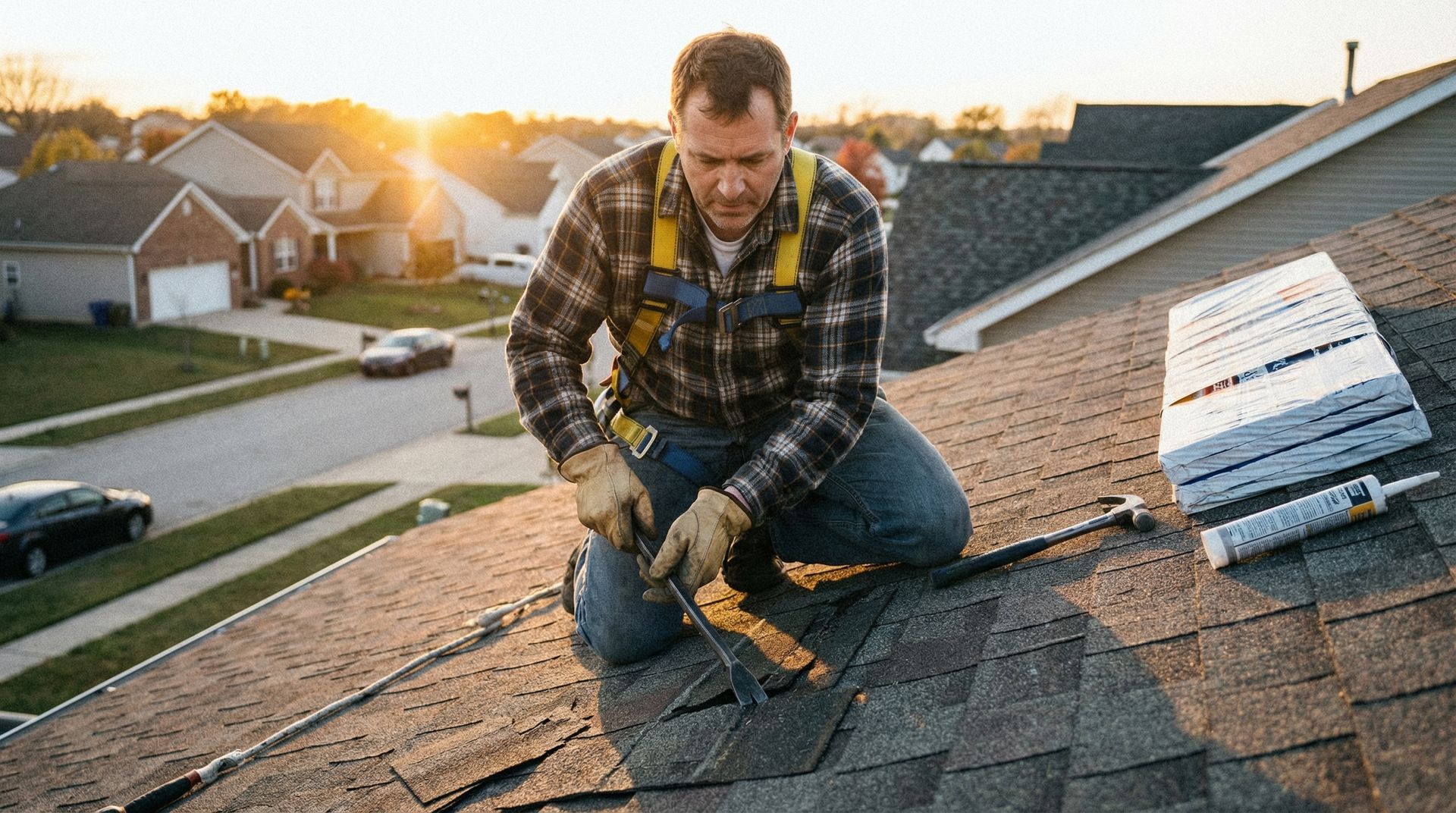
A Repair is usually the best option when the issue is localized and your roof is still relatively young. Consider repairing if: 1. Damage Is Limited to One Area If only a small section has missing shingles or damaged flashing, a targeted repair can be the best option. 2. Your Roof Is Only A Few Years Old In Texas, asphalt roofs last an average of 12 to 15 years. If yours is only a few years old and has not been damaged by hail or significant wind, a repair could be the right call. 3. You Need a Short-Term Solution If you plan to sell your home soon or need a temporary fix before a larger project, a repair may be the practical choice. Replacement is usually smarter when problems are widespread or your roof is nearing the end of its lifespan. Consider replacement if: 1. Damage Is Extensive If a large amount of your roof is affected, repairs can become patchwork and cost nearly as much as replacement. 2. The Roof Is Nearing the End of Its Life Even if damage looks minor, an aging roof may fail sooner rather than later. Replacing can prevent repeated repair bills. Also, be sure to check that your insurance carrier will not diminish your coverage due to an older roof. Many policies are changing in Texas. 3. You Have Multiple Leaks Several leak points often indicate underlying system failure rather than isolated damage. 4. Storm Damage Compromised the System After major hail or wind storms, your roof damage may not always be visible from the ground but it can shorten roof life significantly. Also, keep in mind that your insurance company expects their homeowners and business owners to take steps to mitigate further damage. Insurance may cover sudden and accidental damage — but not additional damage that happens because the owner failed to act.
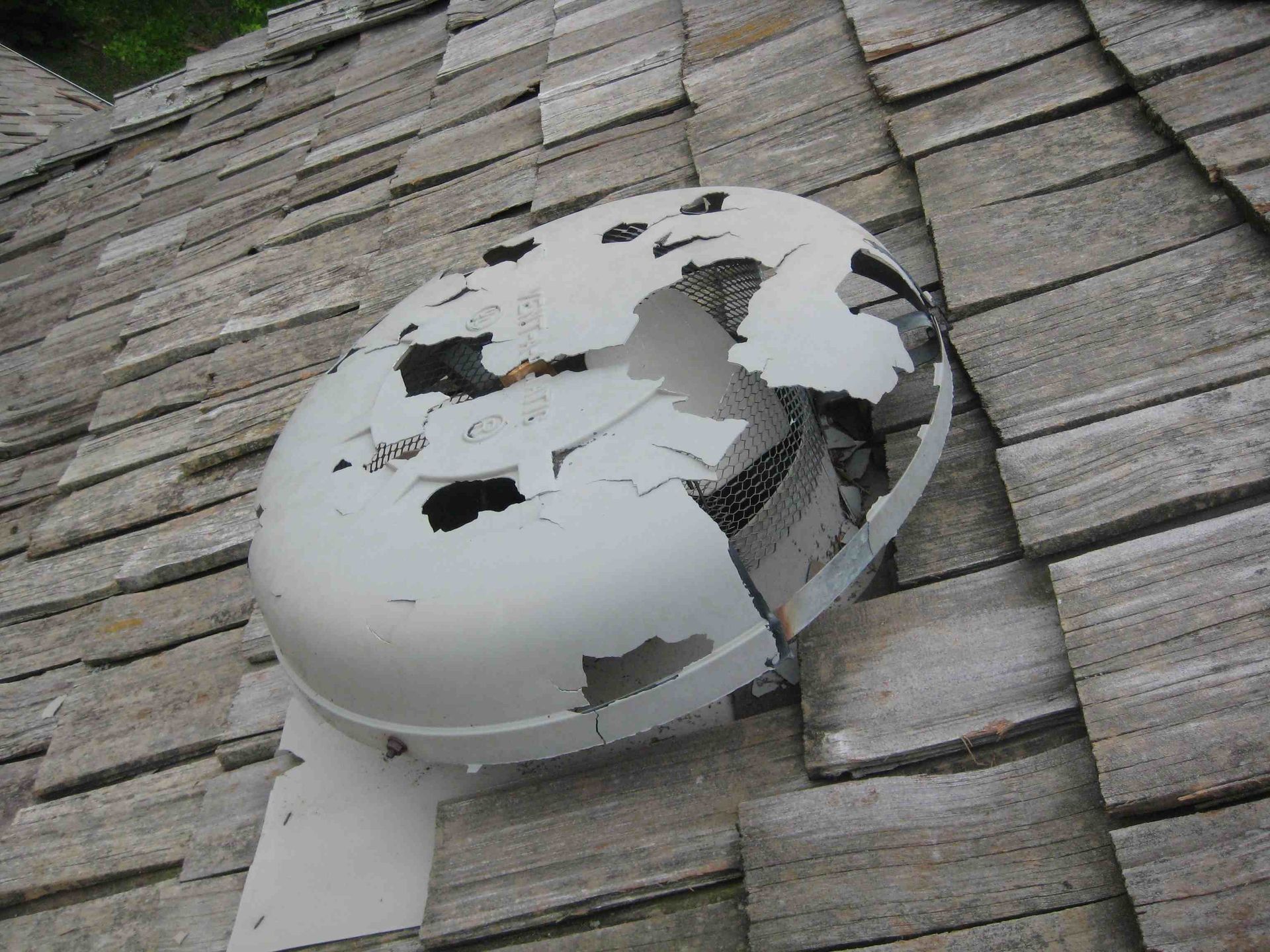
Texas leads the nation in hail and wind losses, so carriers frequently change rules mid-policy term or at renewal. Asking these questions annually can prevent major surprises after a storm. 1. Do I have wind and hail coverage, or is it excluded? Some policies limit or exclude wind/hail entirely or move it to a separate deductible. 2. What is my wind/hail deductible? Many are factoring between 1% - 3% of your home’s insured value. A 2% deductible on a $450,000 home is $9,000 out of pocket (even more if you have an ACV policy)! 3. Do I have a Replacement Cost Value Policy (RCV) or Actual Cash Value (ACV)? ACV policies will subtract the depreciation and will not issue that portion of the payment because it is considered non-recoverable. With RCV policies, the depreciation is recoverable. Also, be aware that some carriers have an endorsement called a Roof Payment Schedule (or Roof Surface Payment Schedule) that uses a sliding scale to reduce the payout percentage as the roof gets older. 4. At what age (if any) will my coverage change or diminish? Newer policies allow diminishing coverage once the roof is 10 years old, even if it’s still in good condition. 5. Are there any exclusions in my policy, such as dents on metal vents/flashing? This may not amount to much on an asphalt shingle roof, but it still affects replacing the roof properly. Drip edge and flashings are part of your roof system and often times will require replacement. If you have a metal roof, this is a big concern! 6. How long do I have to file a wind or hail claim in Texas? Texas has strict guidelines and waiting too long can impact your claim’s approval. This should never be used by a roofing contractor to rush you through the process, but you will benefit from knowing. 7. Will filing a wind or hail claim raise my rates or risk non-renewal? Not all claims affect premiums the same way. You should ask how CAT (Catastrophe) claims are handled versus smaller claim. Many roofers will encourage you to file a claim even if it is not necessary (they have nothing to lose) but that is not an ethical way of doing business. Ask a trusted roofing contractor to inspect the roof & take photos for you to review before filing a claim. 8. Are there any exclusions or gaps in my coverage that I should know about? Be sure to also ask specifically about ordinance & law / code upgrade coverage. You can also ask about any riders, endorsements, or amendments that affect your coverage.
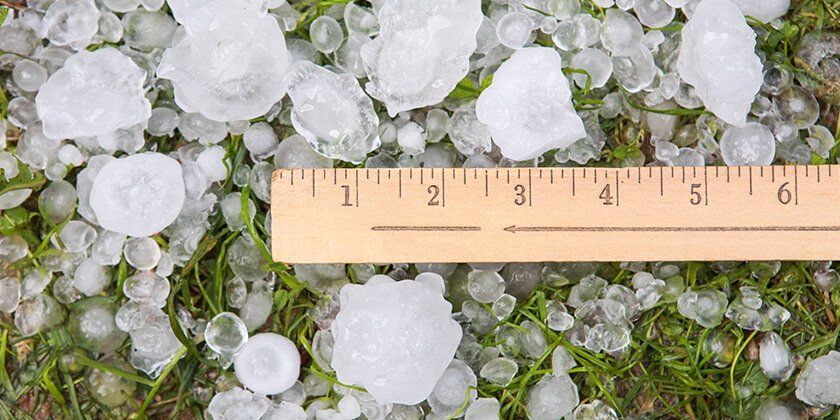
Hail Storm in Fort Worth and Arlington
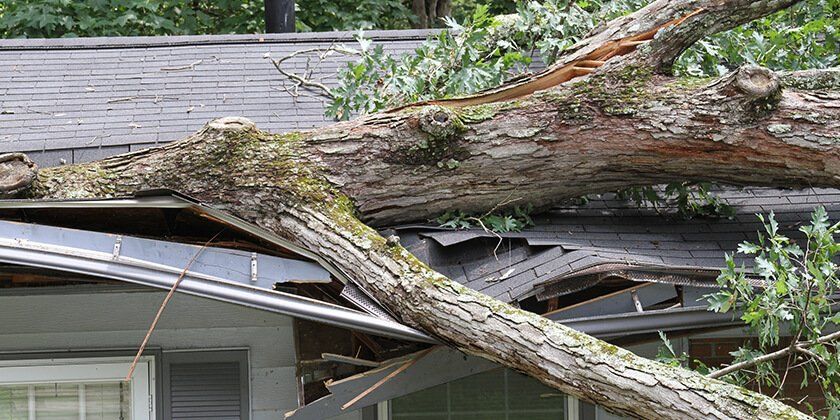
Roof Repairs: Identifying Problem Spots on Your Roof
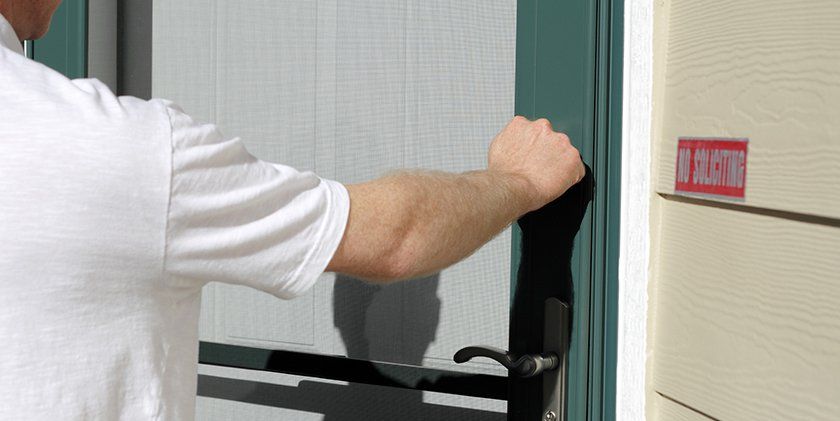
How Do I Stop Solicitors and Roofers from Knocking on My Door?

What To Look For When Selecting A Contractor